What to check before booking a dune buggy tour in Dubai
Booking a dune buggy tour dubai is easy when the day is clear, the route makes sense, and the basic details are settled before you travel. The desert looks simple from a distance, but the experience changes with terrain, timing, safety rules, and the type of vehicle used. A little preparation helps you choose an outing that fits your group, your comfort level, and the kind of memories you want from the Dubai desert.
Start with the purpose of the trip. Some people want a short burst of driving over open sand, while others want a fuller desert outing with stops for photos, sandboarding, a camel ride, or a BBQ dinner. Those are not the same experience. A tour built around driving may feel fast and focused. A wider Dubai Safari style trip may include more pauses and activities, which can suit families or first time visitors. Knowing what you want makes every later decision simpler.
Weather and time of day
The desert changes sharply across the day. Midday heat can make sitting in a vehicle tiring, especially when the sand is bright and exposed. A sunset tour is often preferred for softer light and cooler air, though it can be busier. Early morning can feel calmer and clearer, with cooler sand and a quieter mood. Check the forecast close to your date, including wind. Strong wind can blow sand into the air and reduce visibility, which affects both comfort and driving conditions.
Temperature is not the only point. Think about how long you will be outside the vehicle. If the plan includes photos, a camel ride, or dinner, bring layers for the evening and sun protection for earlier hours. Closed shoes are more practical than sandals around sand and vehicle areas. Sunglasses help with glare, and a scarf or face covering can make windy stretches more comfortable.
Driver rules and licence requirements
Check who is allowed to drive before paying for any outing. Rules can depend on age, licence type, and the policy of the operator. If you plan to share driving, confirm whether more than one person can take a turn and whether each driver must meet the same requirements. Do not assume that a driving licence from home is enough without checking.
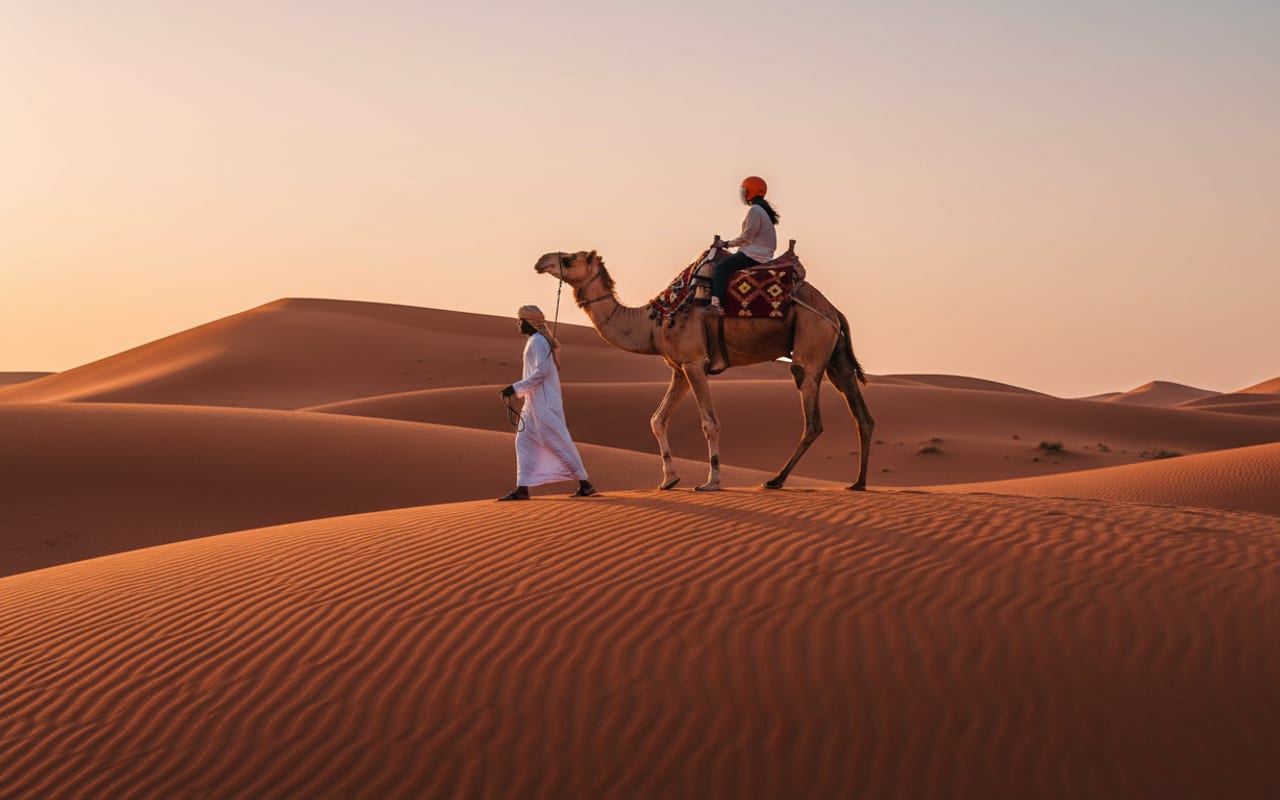
If you are unsure about the rules, ask directly and keep the answer in writing. A clear answer before booking avoids a difficult conversation on the day. Passengers should also understand what the route involves, since rough sand can feel more intense than expected, even at modest speed.
Vehicle type and group size
A dune buggy is different from a quad bike or a standard off road vehicle. It usually has a frame, roll protection, seating, and controls designed for uneven ground. Check what kind of vehicle is included in the outing and whether it matches the experience you want. A smaller buggy can feel lively and direct. A larger vehicle may feel steadier for some passengers. Group size matters too, because a crowded group can mean less time driving and more time waiting.
Ask how the route is paced. A convoy with many vehicles may stop often and move at the speed of the slowest rider. A smaller group may offer a more flexible pace but can still follow a set route. Neither option is automatically better. The right choice depends on whether you value social energy, quieter surroundings, or more time behind the wheel.
When comparing options, keep the name ATV Dubai Desert in mind as a reference point for the type of desert driving being discussed, not as a replacement for checking exact trip details. The practical questions stay the same: what vehicle is used, how long the driving section lasts, and what is included around it.
What the route actually includes
Desert routes vary more than many visitors expect. Some follow open dunes with rolling climbs and descents. Others stay closer to firmer ground, which may suit nervous passengers or younger groups. Ask whether the route has steep sections, narrow turns, or long stretches of loose sand. These details help you judge whether the outing is relaxed or physically demanding.
Also check the starting point and how you reach it. A remote meeting point can add travel time, especially when traffic is heavy. Confirm whether transport is part of the booking or arranged separately. If you are driving yourself, allow extra time and check parking guidance before the day. Arriving rushed can take the enjoyment out of the trip before it begins.
Safety equipment and briefing
Safety should be discussed plainly, not treated as a small detail. Ask about helmets, seat belts where fitted, and whether protective gear is provided. A proper briefing should cover controls, hand signals, safe spacing between vehicles, and what to do if the group stops. Good communication makes the drive smoother for everyone, especially when sand conditions change.
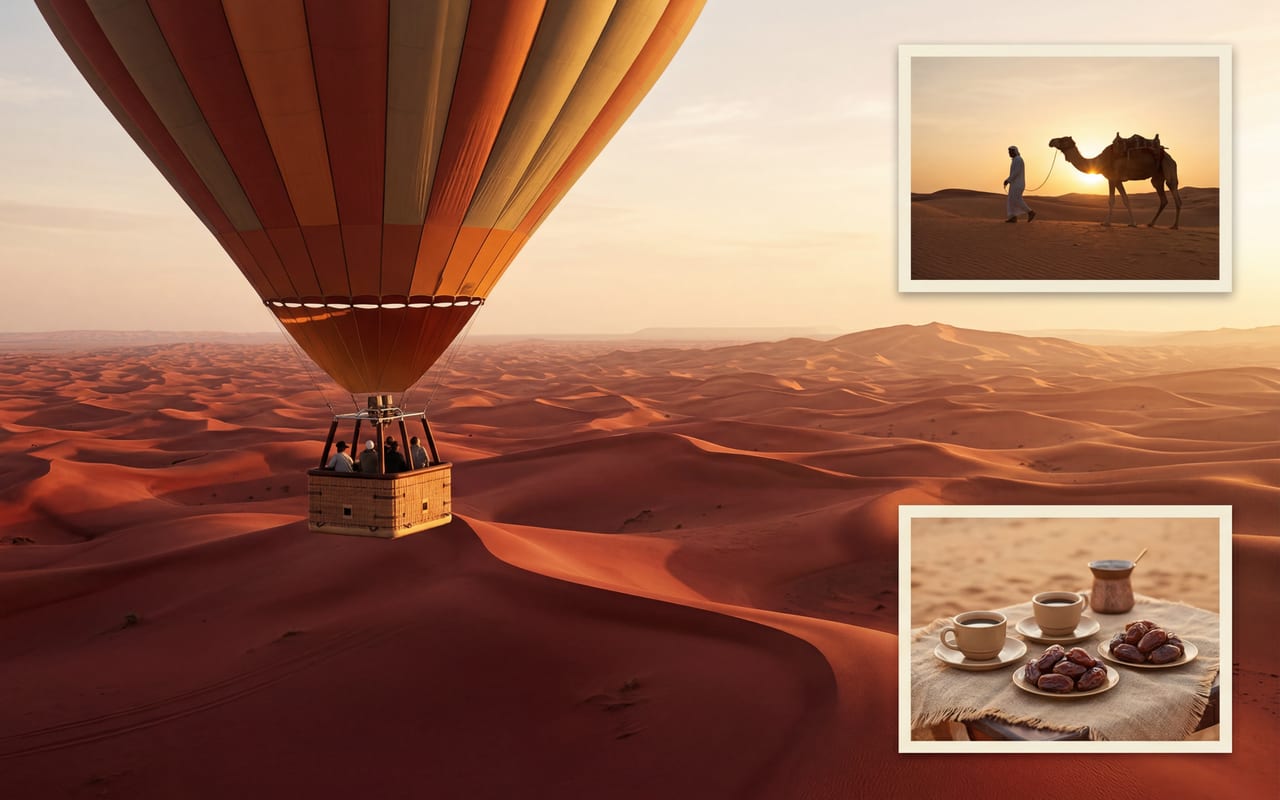
Listen for signs that safety is handled with care. Clear instructions, sensible speed limits, and a route matched to the group are positive signs. Vague answers, pressure to skip protective gear, or casual talk about pushing vehicles beyond their limits are reasons to pause. If a mechanical issue is mentioned, leave diagnosis and repair to a qualified professional. Do not try to adjust or bypass any vehicle safety component.
Insurance, deposits, and cancellation terms
Before paying, read the booking terms with the same attention you give the route. Check what is covered, what is excluded, and what happens if weather disrupts the trip. Ask about deposit rules, cancellation windows, and whether changes to the date are allowed. Clear terms protect both sides and reduce the chance of confusion later.
Payment details deserve a careful look as well. Confirm what the total includes and what may be added on the day. Extras such as photos, activity add ons, or transfers can affect the final amount. A written breakdown is easier to compare than a verbal promise. If the price seems unusually low, check whether the driving time, route, or inclusions have been reduced.
Comfort, accessibility, and group needs
Think about the people joining you. Children, older passengers, and anyone sensitive to heat or motion may need a gentler plan. Ask whether there are rest stops, shaded areas, and places to wait during activity breaks. If someone has limited mobility, check whether the vehicle and stopping points can accommodate them before booking.
Food and drink are another practical point. Some outings include a meal, while others focus only on driving. If a BBQ dinner is part of the plan, check whether dietary needs can be handled. If it is not, plan your own food and water around the trip. The desert is not a place where you want to rely on finding something nearby at the last minute.
Photos, timing, and what to bring
Many travellers want photos from the dunes, but not every stop offers a safe place to step out. Ask where photo stops happen and how long they last. Soft sand, vehicle movement, and uneven ground all call for care. Keep bags secure and avoid loose items that can blow away.
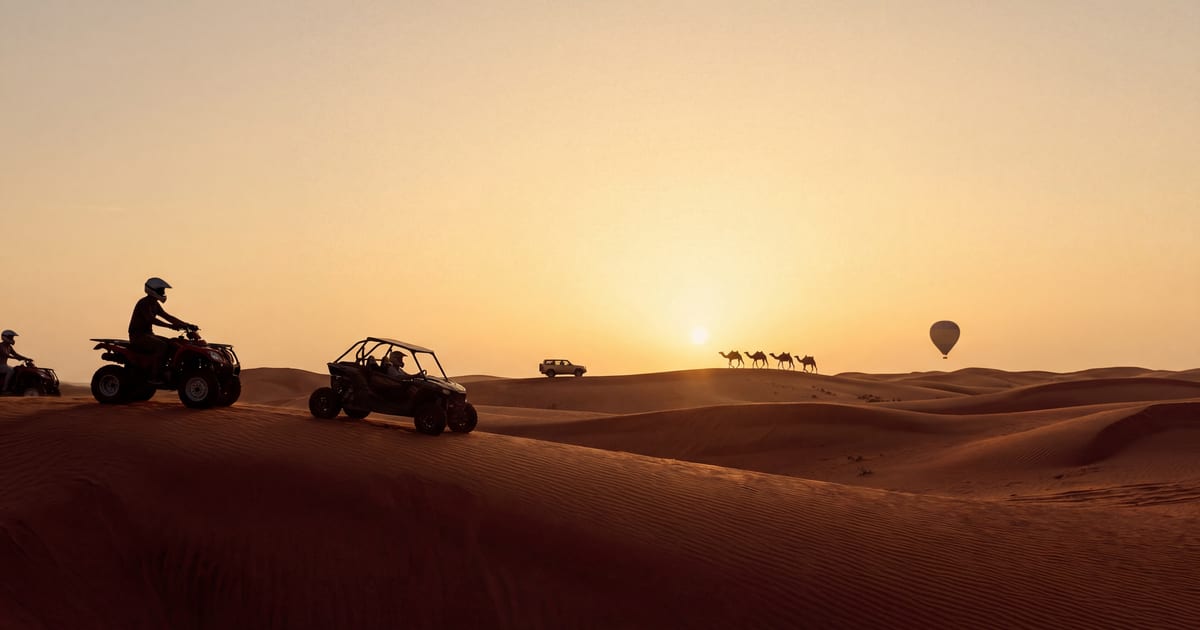
A small day bag is usually enough. Useful items include water, sun protection, closed shoes, sunglasses, and a phone with charge for directions or contact messages. If the trip ends near sunset or later, add a light layer for the cooler evening. Avoid carrying anything bulky that might get in the way inside the vehicle.
Questions worth asking before you pay
- What driving experience is required, and can more than one person drive?
- How long is the actual driving portion, and what does the full schedule include?
- What safety gear and briefing are provided for drivers and passengers?
- What happens if heat, wind, or other conditions affect the route?
- Which costs are included, and which ones may be added later?
These questions are simple, but the answers reveal a lot. A well run outing can explain the day in clear terms without making everything sound perfect. It should also be honest about limits, such as weather changes or route adjustments. That kind of clarity is more useful than polished promises.
ATV Dubai Desert can be one of the names you notice while comparing desert driving options, but the final choice should rest on the details that affect your day. Check the route, the rules, the equipment, the timing, and the terms. When those points line up, a dune buggy outing is far easier to enjoy, whether the priority is a sunset tour, a family desert afternoon, or a focused drive across the sand.